
01
AI assistants and chatbots
Answers grounded in approved company knowledge, with clear boundaries, source references and a path to a person when needed.
AI application development
When your workflow does not fit an off-the-shelf tool, we design around the people, data and decisions already involved. From the first prototype to day-to-day operations.
Custom applications · real workflows · human oversight
What we can develop
A new product idea, a team need or a customer experience can become a working application. We start with its users and check whether a custom build is justified.
Answers grounded in approved company knowledge, with clear boundaries, source references and a path to a person when needed.
Customer or team interfaces with roles, data and actions suited to their work.
Turn an idea into a prototype and, if it proves useful, a product with the right integrations and support.
What you receive
We agree the exact scope together. These are the parts we consider in each build.
Try the main user journey before committing to the full build.
Interfaces, roles, data and the connections that the available systems and APIs actually support.
Define when it responds, which sources it uses, when a person must review and what gets logged.
Role guides and a practical handover using a real task. Agree an owner, training, usage review and support terms before the build.
From idea to operations
Who has the problem, what happens today and which decision should improve?
Can the user complete the core journey? What can we learn before building the system?
Implement against acceptance criteria, access controls and tests for real exceptions.
Monitor errors, API changes and AI response quality through an agreed support arrangement.
Selected work
One client build and our own live products. Each example shows a different need, user experience and approach to implementation.
A personalised daily recovery plan with reminders, CRM sync and an AI assistant bounded by the clinic’s medical protocol.
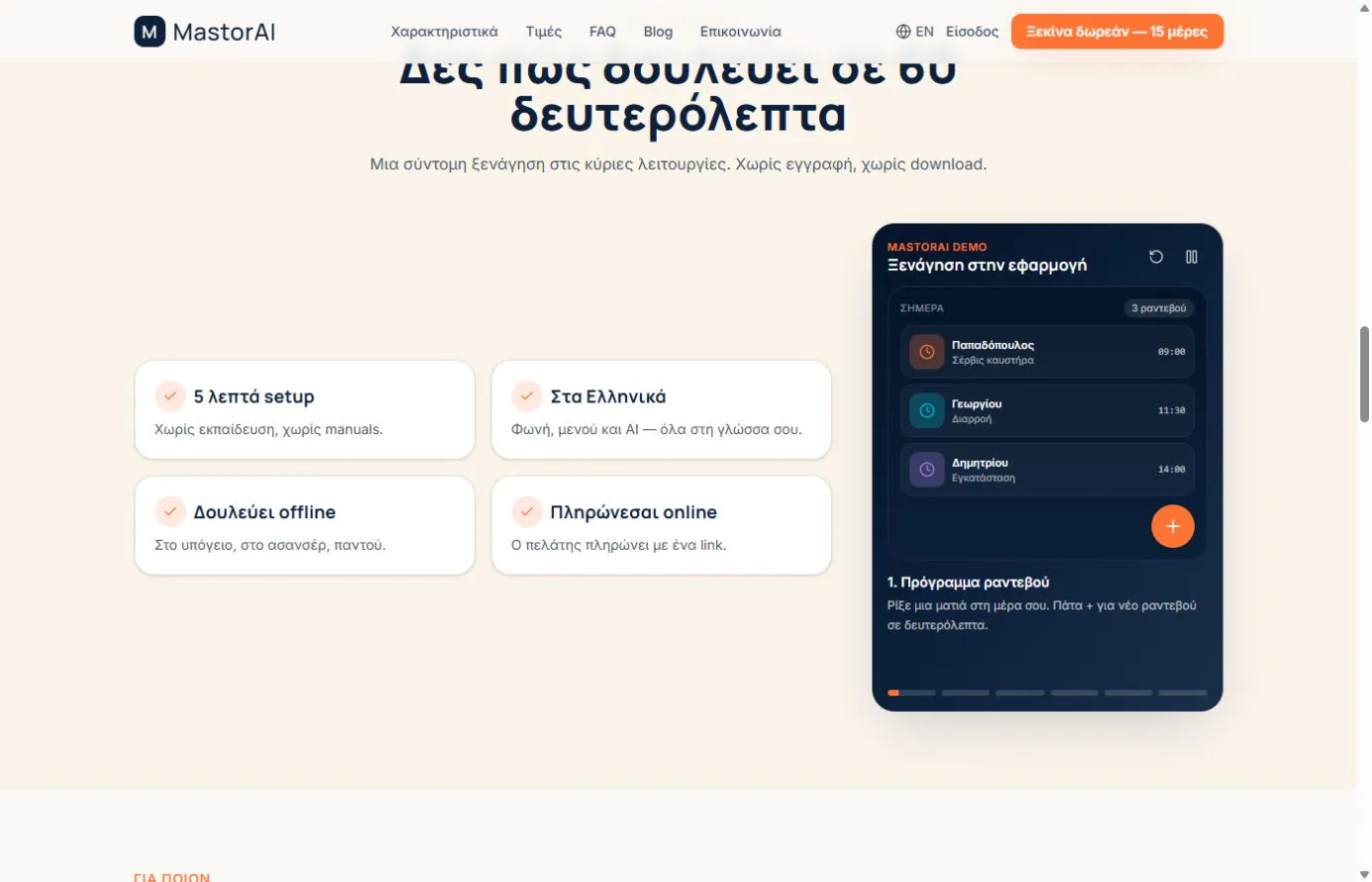
Explore the workAppointments, customers, invoices and technical notes in a mobile-first application.
Explore the work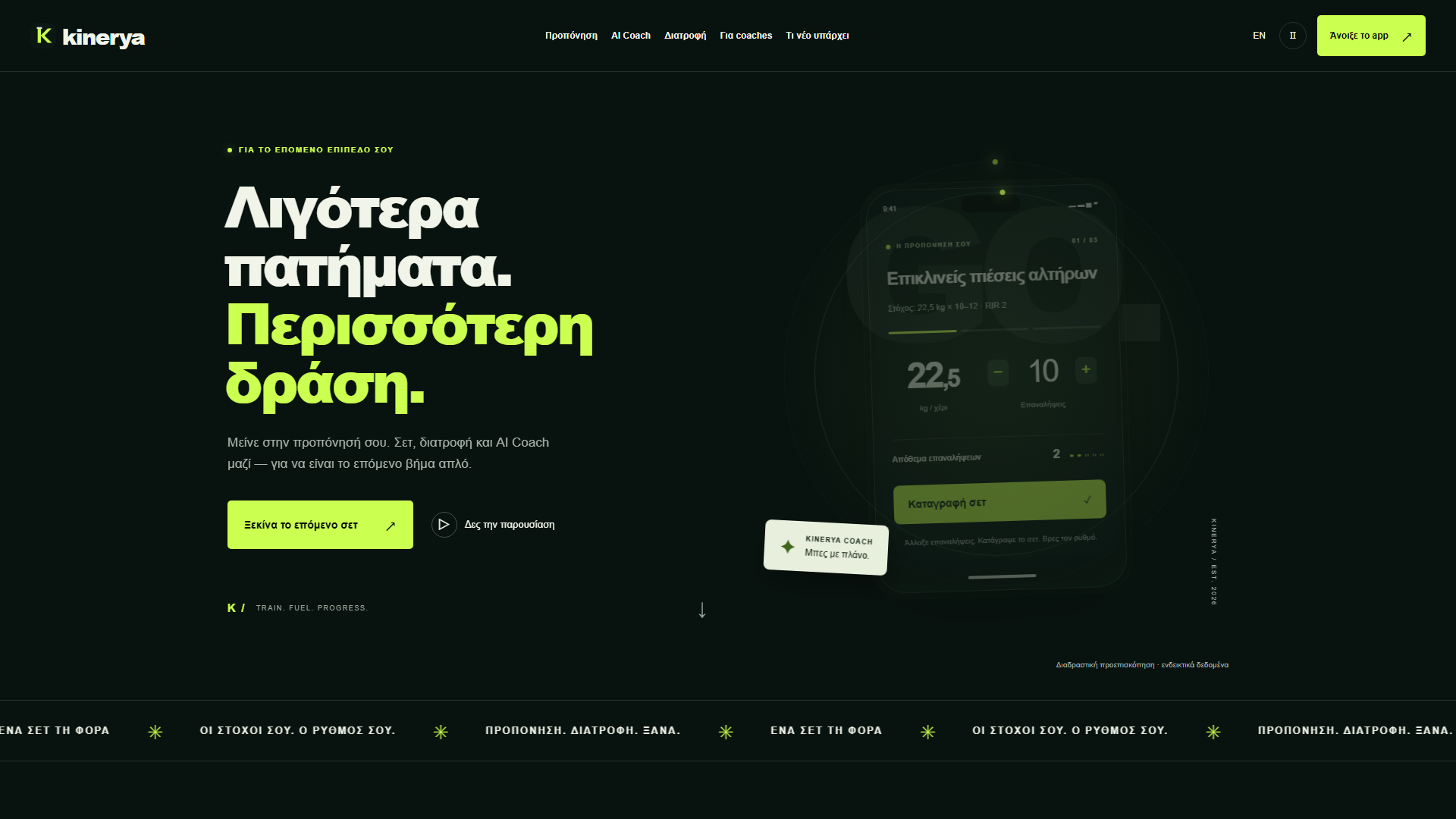
Workout logging, nutrition, AI coaching and a workspace for coaches in a mobile-first experience.
Explore the workCustom or existing?
Existing software is often the right choice. A custom build becomes useful when a critical workflow, permission model or user experience is not adequately covered.
We check users, data, current tools, possible integrations, operating costs and where a person needs to make the call.
We agree who manages accounts, infrastructure, code and data. Rights and limits attached to third-party APIs are documented separately.
Frequently asked questions
When available tools cannot support the critical workflow without awkward compromises. We first check what already exists and what can be connected.
No. Start with a real user, today’s process and where it stalls. The technical plan follows discovery and a prototype.
That depends on available licenses, APIs, permissions and data quality. We verify feasibility before committing to scope.
We agree handover, access, monitoring and support. Third-party cloud and AI APIs have their own terms and costs.
Next step
Tell us who would use it, what they do today and which information or decision needs to improve.